
How to Choose an Electric Toothbrush
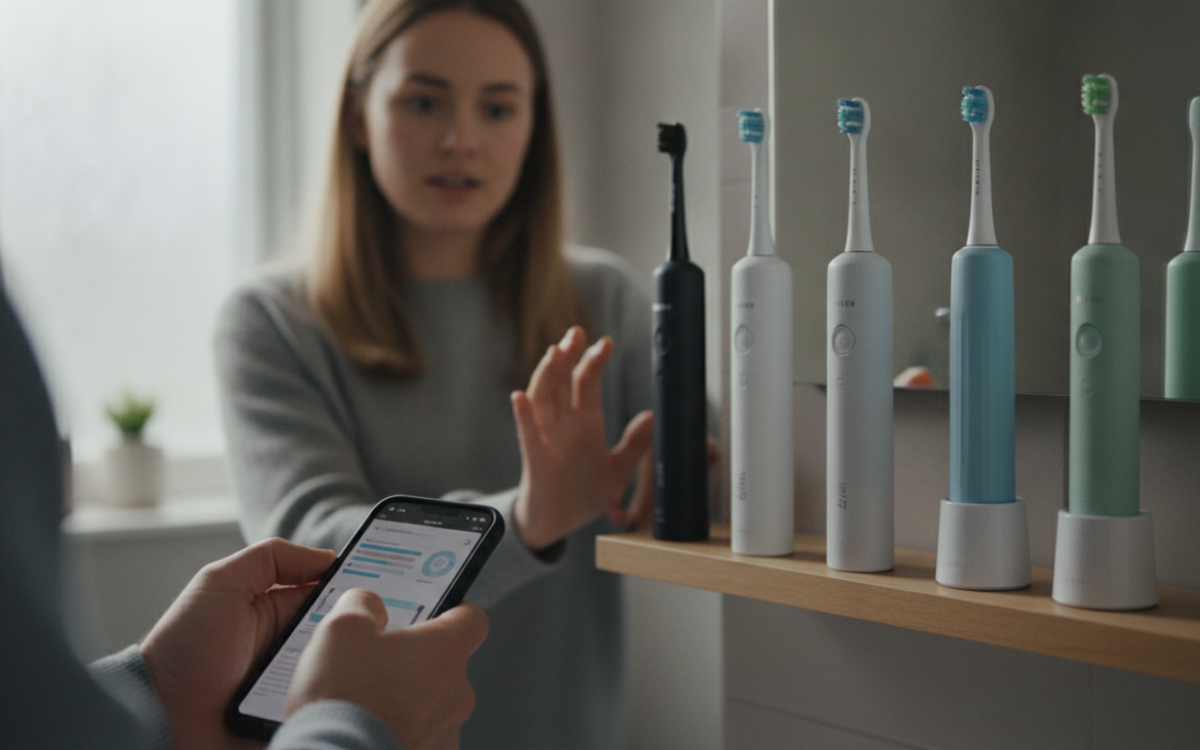
Quick answer: To choose an electric toothbrush, match the brush type to your needs, check battery life, and look for a soft brush head and a built-in timer. Pick features you will actually use, then weigh ongoing costs. A simple model often cleans just as well as a pricey one.
Key Takeaways
- A built-in two-minute timer helps you brush for the right length of time.
- Soft bristles protect your gums better than medium or hard ones.
- Ongoing brush head costs often matter more than the upfront price.
- Oscillating and sonic brushes both clean well, so comfort should guide your choice.
- Extra features like app tracking are nice but rarely essential.
Walking down the dental aisle can feel confusing. There are dozens of models, and the prices jump around a lot. The good news is that you do not need the fanciest one. You just need the right fit for your teeth and habits.
Below, we break down how to choose an electric toothbrush step by step. We focus on what matters and skip the hype.
Why choose an electric toothbrush at all?
An electric toothbrush can make daily brushing easier and more thorough. The moving head does a lot of the work for you. This helps if you rush, or if you find small movements tricky.
Studies and dental bodies agree that good technique matters more than the brush itself. Still, many people brush better with a powered model. It can also be kinder on your gums when used gently.
What are the main types to compare?
There are two common styles. Knowing the difference helps you choose an electric toothbrush that feels right.
- Oscillating-rotating: The round head spins and pulses. It targets one tooth at a time.
- Sonic: The brush head vibrates very fast side to side. It covers more surface at once.
Both clean well. However, the feel is different. Oscillating heads can feel more focused. Sonic brushes can feel smoother and quieter. If you can, try a friend’s brush or read honest reviews before you buy.
How do you judge the key features?
Start with the basics that help every day. A two-minute timer is the most useful feature. It nudges you to brush long enough. Many models also pulse every 30 seconds so you move around your mouth evenly.
Next, check the brush head. Soft bristles are best for most people. They clean well without scratching your gums. Also look at head size. A smaller head reaches back teeth more easily.
A pressure sensor is another handy extra. It warns you when you press too hard. This protects your gums over time. Because many of us scrub too firmly, this feature earns its place.
Why does battery life matter?
Battery life affects how often you charge and how it travels. A longer battery means less fuss, especially on trips.
Rechargeable models are the norm now. Some run for weeks on one charge. Others need topping up more often. If you travel a lot, look for a long run time and a compact charger. Also check if it works with common plugs, so it is easy to use away from home.
When you choose an electric toothbrush, think about where you will charge it. A tidy bathroom shelf or a plug near the sink makes daily use simple.
What about ongoing costs?
The sticker price is only part of the story. Brush heads wear out and need replacing every few months. Over a year, those costs add up.
Before you buy, check how much replacement heads cost and how easy they are to find. A cheap brush with pricey or rare heads may cost more in the long run. A mid-range model with widely stocked heads can be better value.
For general tips on comparing value and avoiding overspending, Which? offers independent consumer guidance you may find useful.
Do extra features earn their keep?
Some brushes come with apps, travel cases, multiple cleaning modes, and display screens. These can be nice, but they are rarely essential.
Ask yourself if you will really use them. An app that tracks your brushing might help at first. Many people stop checking it after a week. Extra modes for whitening or sensitive teeth can be useful if your dentist suggests them. Otherwise, a single good mode is plenty.
Here is a simple rule. Pay for features that improve daily brushing. Skip features that only sound impressive. This keeps your spend sensible when you choose an electric toothbrush.
How do you match a brush to your needs?
Think about your mouth and your habits first. If you have sensitive gums, go for soft bristles and a pressure sensor. If you wear braces, look for heads designed for that.
For children, choose a smaller head and a gentle mode. For older users, a chunkier handle can be easier to grip. Because needs differ, there is no single best model for everyone.
If in doubt, ask your dentist or hygienist. They know your teeth and can point you in the right direction.
Putting it all together
Now you know how to choose an electric toothbrush without the guesswork. Focus on a timer, soft bristles, a comfortable feel, decent battery life, and fair ongoing costs. Treat the fancy extras as a bonus, not the main event.
Take your time and compare a few options side by side. Read a mix of reviews, both good and bad. When you choose an electric toothbrush this way, you can buy with confidence and look after your smile for years to come.
Frequently Asked Questions
Is an electric toothbrush better than a manual one?
For many people, yes. An electric toothbrush can clean more thoroughly, especially if you tend to rush. The built-in timer also helps you brush long enough. That said, good technique with a manual brush still works well. The key is brushing properly twice a day.
How often should I replace the brush head?
Most dentists suggest changing the head every three months, or sooner if the bristles look frayed. Worn bristles clean less well and can be rough on gums. Factor replacement costs into your budget, as this often matters more than the upfront price of the brush.
Are expensive electric toothbrushes worth it?
Not always. A mid-range model with a timer, soft bristles, and a pressure sensor usually cleans just as well as a top-end one. Expensive brushes add extras like apps and screens. Pay for features you will truly use, and skip the ones that only sound impressive.
What features matter most when buying?
Focus on a two-minute timer, soft bristles, and a comfortable handle. A pressure sensor is a strong bonus because it stops you brushing too hard. Good battery life helps with travel. These basics improve daily brushing far more than fancy modes or app connections.
Is a sonic or oscillating toothbrush better?
Both clean effectively, so there is no clear winner. Sonic brushes vibrate fast and often feel smooth and quiet. Oscillating heads spin and feel more focused. The best choice comes down to comfort. Pick the style that feels nicest, as you are more likely to use it well.
Can children use an electric toothbrush?
Yes, as long as it suits their age. Look for a small brush head, a gentle cleaning mode, and an easy-grip handle. Many brands make models designed for kids. Supervise younger children while they brush, and ask your dentist if you are unsure which type is best.
For more, see our Health & Wellbeing guides.
Deals, rates and terms change often, and what suits one person may not suit another. Always check the latest details on the provider’s own website, and treat this as general guidance, not personal financial, legal or medical advice.