
How to Choose Running Shoes That Fit Properly
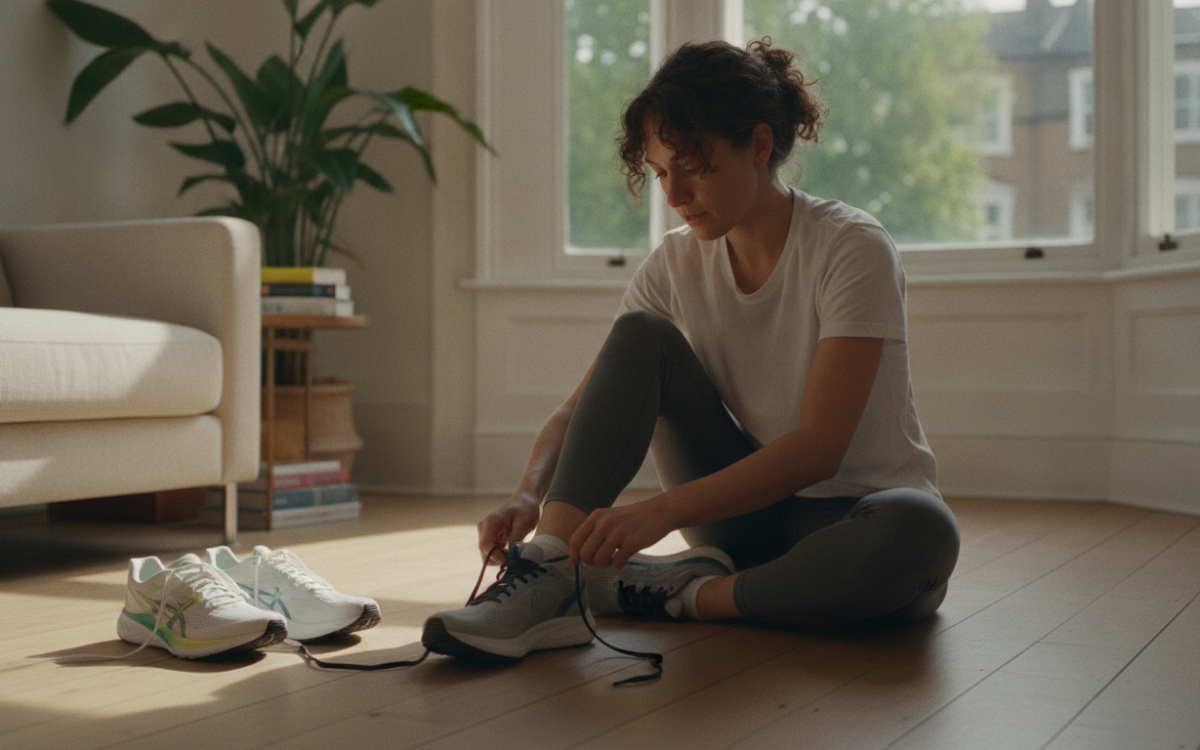
Quick answer: To pick running shoes that fit, shop later in the day when feet swell, leave a thumb’s width at the toe, and match the shoe to your foot width and gait. Try both shoes on and walk before you decide.
Key Takeaways
- Feet swell during the day, so try shoes on in the afternoon or after a walk.
- Leave about a thumb’s width of space between your longest toe and the shoe end.
- The right width matters as much as the right length for comfort.
- Always try on both shoes and move around before buying.
- Replace worn shoes before the cushioning breaks down to protect your joints.
Buying trainers can feel simple until you lace them up and feel a pinch. The right pair should feel good from the first steps. This guide shows you how to find running shoes that fit, so you can run or walk in comfort.
We will keep things plain. No jargon. Just practical checks you can use in any shop or at home.
Why do running shoes that fit matter?
Running shoes that fit protect your feet, joints, and comfort on every run. When shoes fit well, you lower the risk of blisters, black toenails, and sore knees.
Your feet take a lot of pounding when you run. Each step lands with force. Good shoes spread that load. Poorly fitting shoes do the opposite. They rub, squash, or slide. Over time, that can cause pain or injury.
Also, a shoe that fits helps you enjoy moving more. Comfort keeps you going. That is reason enough to take your time choosing.
How do you measure your feet correctly?
Measure both feet late in the day, because feet swell as the hours pass. One foot is often slightly bigger than the other, so fit to the larger one.
Here is a simple way to check at home:
- Stand on a sheet of paper with your weight even.
- Trace around each foot with a pen held upright.
- Measure the length and the widest part.
- Compare both feet and use the bigger numbers.
Do this while wearing the socks you run in. Thick socks change the fit. Also measure every so often, because feet change shape over the years.
What makes running shoes that fit feel right?
Running shoes that fit leave about a thumb’s width of space at the toe, hold the heel snugly, and feel comfortable straight away with no pressure points.
Length is the first thing to check. Your longest toe should not touch the end. Width matters just as much. The shoe should hug the sides without squeezing. Your toes need room to spread when you land.
The heel should stay put. If it slips up and down, you may get blisters. The midfoot should feel secure but not tight. If you feel any rubbing in the shop, it will only get worse on a run.
Trade-offs to weigh up
More cushioning feels soft, but it can add weight. Lightweight shoes feel fast, yet they offer less protection. A snug fit holds your foot well, but too snug causes pain. Think about where you run most and what suits your body.
How do you test fit before you buy?
Always try both shoes on, lace them fully, then walk or jog on the spot to feel how they move. Never judge a shoe while sitting still.
Pay attention as you move. Does the heel grip? Do your toes have room? Is there any hot spot forming? Trust what your feet tell you in those first minutes.
Many good shops let you walk around or use a treadmill. Use that chance. If you buy online, order from a seller with easy returns. Try the shoes indoors on carpet so you can send them back if they do not suit you.
How do you judge value without overspending?
Judge value by comfort, durability, and how well the shoe suits your running, not by the highest price or flashy features you will never use.
Expensive does not always mean better for your feet. A mid range shoe that fits well beats a costly one that pinches. Think about how many miles you will run. If you run often, durability earns its keep. If you run now and then, a simpler pair may be plenty.
Watch out for features you do not need. Fancy tech sounds good, but comfort and fit come first. Compare a few pairs side by side. Weigh cost against how they feel and how long they should last. For more help with spending wisely, Which? offers independent consumer guidance.
When should you replace your running shoes?
Replace running shoes once the cushioning feels flat or the tread wears smooth, because worn shoes stop protecting your joints and can lead to aches.
Watch for signs. The soles look bald. The support feels dead underfoot. Your knees or hips start to ache after runs. These all hint that the shoe has done its job.
Keep a rough note of your mileage. Shoes break down from the inside, so they may look fine while the support is gone. Fresh running shoes that fit well will feel springy again. That lift is a good reminder of why fit matters.
A quick checklist before you decide
- Measure both feet late in the day.
- Leave a thumb’s width at the toe.
- Check the heel holds firm.
- Walk or jog before you buy.
- Weigh comfort and durability over price.
Take your time and compare a few options. The best running shoes that fit are the ones that feel right for your feet and your runs. Try several pairs, trust how they feel, and choose with confidence.
Frequently Asked Questions
What size running shoe should I buy?
Pick a size that leaves about a thumb’s width between your longest toe and the shoe end. Running shoes often fit snugger than everyday shoes, so you may need a half size up. Always measure both feet and fit to the larger one for comfort.
Should running shoes be tight or loose?
Neither. They should feel snug around the heel and midfoot with room for your toes to spread. A shoe that is too tight causes blisters and squashed toes. A shoe that is too loose lets your foot slide, which also leads to rubbing and sore spots.
How do I know my foot width?
Trace your foot on paper and measure the widest part while standing. If your toes feel squeezed in normal shoes, you may need a wider fit. Many brands offer wide options. The right width stops pinching and gives your toes space to move as you run.
Do I need special running shoes or will trainers do?
For regular running, purpose made running shoes are worth it. They offer cushioning and support built for forward motion and repeated impact. General trainers may feel fine for short walks, but they often lack the protection your feet and joints need over longer distances.
How often should I replace running shoes?
Replace them when the cushioning feels flat, the tread looks worn, or you notice new aches after runs. Shoes break down with use even if they look fine. Keeping a rough note of your mileage helps you spot when a fresh pair is due.
Is it better to buy running shoes in a shop or online?
Shops let you try shoes on and get fitting help, which is ideal for your first pair. Online can work well once you know your size and model, and many sellers offer easy returns. Either way, test the fit indoors before committing to them.
For more, see our Health & Wellbeing guides.
Deals, rates and terms change often, and what suits one person may not suit another. Always check the latest details on the provider’s own website, and treat this as general guidance, not personal financial, legal or medical advice.