
How to Choose a Blood Pressure Monitor at Home
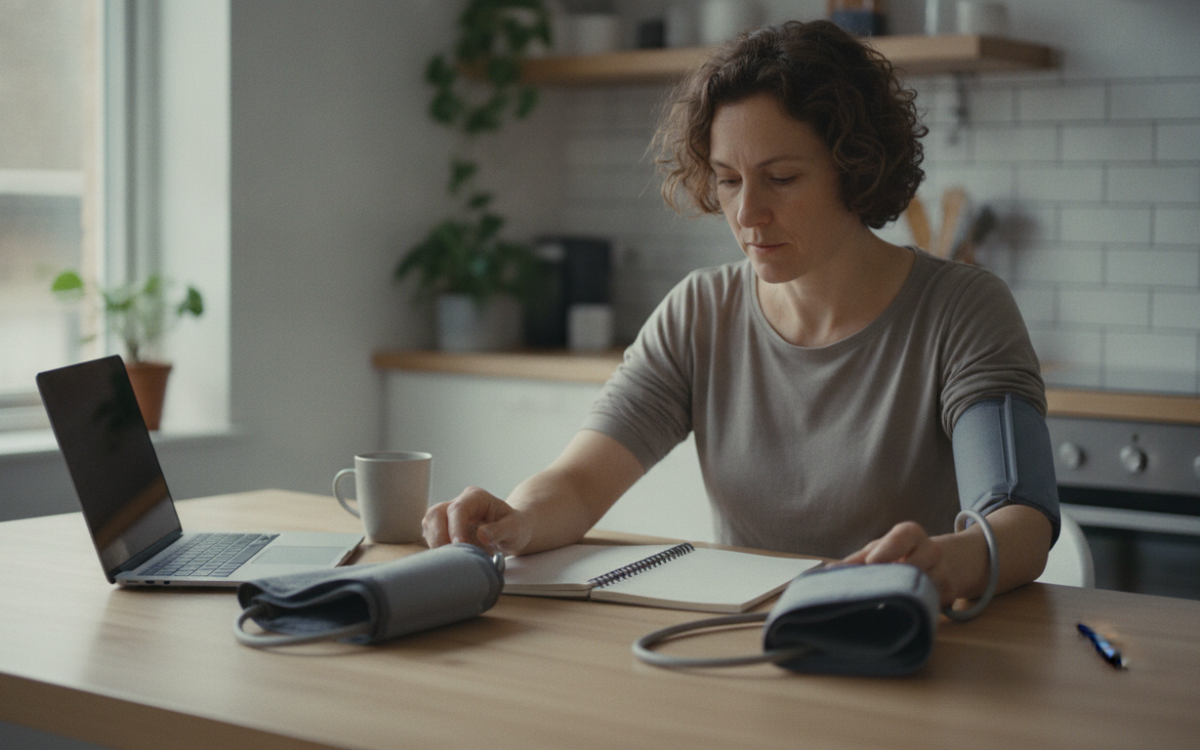
Quick answer: To choose a blood pressure monitor, pick a validated upper arm model with the right cuff size for you. Check it is easy to read and use. Compare accuracy, memory, and comfort. A good blood pressure monitor gives steady, repeatable readings you can trust.
Key Takeaways
- Upper arm monitors with the correct cuff size give the most reliable readings.
- Look for a monitor that has been clinically validated for accuracy.
- Measure around your upper arm first to make sure the cuff fits.
- Simple displays and stored readings help you track changes over time.
- Take a few readings when calm and rested, not straight after coffee or exercise.
Why does a good blood pressure monitor matter?
A good blood pressure monitor helps you keep an eye on your heart health at home. It lets you spot changes early. It also saves trips to the clinic for quick checks.
However, not every device is equal. Some are easier to use. Some give steadier readings. Choosing the right one takes a little care, but it is not hard.
In this guide, we explain how to compare the main options. We cover fit, features, and value. That way you can pick a blood pressure monitor with confidence.
What should you look for in a blood pressure monitor?
Look for accuracy, the right cuff size, and an easy display. Those three things matter most. Everything else is a bonus.
Here are the key points to check before you buy:
- Choose an upper arm model, as these tend to be more reliable than wrist ones.
- Make sure the cuff fits your arm. Measure around your upper arm first.
- Pick a validated monitor that has passed clinical accuracy testing.
- Look for a clear, large display if your eyesight is not sharp.
- Check that it stores past readings so you can track trends.
Also think about who will use it. If more than one person shares the device, a model with separate memory for each user can help.
Upper arm or wrist: which blood pressure monitor is best?
For most people, an upper arm blood pressure monitor is the better choice. It usually gives more accurate and consistent readings.
Wrist monitors can work, but they are fussier. You must hold your wrist at heart level, or the number drifts. Small mistakes change the result.
Upper arm cuffs sit in a steadier spot. Because of this, they are the type most health bodies recommend for home use. If you have a larger or smaller arm than average, check the cuff range carefully before you choose.
How do you know a monitor is accurate?
You know a monitor is accurate when it has been clinically validated. This means it passed tests against trusted standards.
Many devices claim to be accurate. Validation is the proof. Look for a note that the model has been checked by an independent group. Some trusted health charities keep lists of validated monitors you can search.
Also, accuracy depends on how you use it. Sit still. Rest your arm on a table. Keep your feet flat. Take two or three readings a minute apart, then note the average. A blood pressure monitor only helps if your method is steady.
What features are worth paying for?
Some features add real value. Others just add cost. Focus on what helps you use the device well.
Memory storage is useful. It lets you look back and spot patterns. An irregular heartbeat alert can also be handy, though it is not a diagnosis. A backlit screen helps if the room is dim.
Bluetooth and phone apps are nice extras. They can log readings for you. But they are not essential. A simple blood pressure monitor with a clear screen works just as well for many people. Do not pay for features you will never touch.
How do you judge value for money?
Judge value by matching the features to your real needs, not by price alone. A dearer model is not always better.
Start with the basics. A validated upper arm monitor with the right cuff is the core of good value. From there, add only what helps you. Think about build quality and how easy the buttons are to press.
Also check the guarantee and where to get replacement cuffs. A cuff that wears out is normal over time. If spares are easy to find, the device lasts longer. For more on making smart consumer choices, see Which?.
Who might need extra care when choosing?
People with larger arms, pregnancy, or certain heart rhythms may need a specific type. A standard cuff will not suit everyone.
If your arm is outside the usual range, look for a monitor sold with a large or small cuff. For some conditions, a basic home device may not give reliable numbers. In those cases, speak to a pharmacist or your GP about the right approach.
Remember, a home blood pressure monitor supports your care. It does not replace professional advice. Use it to share clear information with your health team.
Make your choice with confidence
Choosing a blood pressure monitor is simpler than it seems. Pick a validated upper arm model. Check the cuff fits. Keep the display easy to read. Then add only the features you need.
Take your time to compare a few options side by side. Weigh comfort, accuracy, and value. With a little care, you can choose a blood pressure monitor that serves you well for years.
Frequently Asked Questions
Are upper arm monitors better than wrist ones?
Yes, for most people upper arm monitors give more reliable readings. Wrist devices need careful positioning at heart level, so small errors change the result. An upper arm cuff sits in a steadier spot, which is why most health bodies suggest this type for home use.
How do I find the right cuff size?
Measure around the middle of your bare upper arm with a tape measure. Then check the cuff range printed on the monitor or its box. A cuff that is too tight or too loose gives false numbers, so the correct fit matters more than any extra feature.
Does a monitor need to be validated?
Yes, validation is important. It means the device passed independent accuracy tests against recognised standards. Many devices claim accuracy without proof. Some health charities list validated models you can search before buying, which helps you avoid cheap units that give unreliable readings.
How often should I take readings at home?
Follow any guidance from your GP or pharmacist. Many people take readings at the same times each day over a week. Sit calmly, rest first, and take two or three readings a minute apart. Note the average rather than a single number.
Do I need Bluetooth or an app?
Not really. Phone apps can log readings for you, which some people find handy. But they are an extra, not a must. A simple monitor with a clear screen and memory works well. Choose smart features only if you will actually use them.
Can a home monitor replace seeing a doctor?
No. A home blood pressure monitor supports your care but does not replace professional advice. Use it to track readings and share clear information with your health team. If your numbers worry you, or seem unusual, speak to a pharmacist or your GP.
For more, see our Health & Wellbeing guides.
Deals, rates and terms change often, and what suits one person may not suit another. Always check the latest details on the provider’s own website, and treat this as general guidance, not personal financial, legal or medical advice.