
How to Pack Light for Any Trip Without Stress
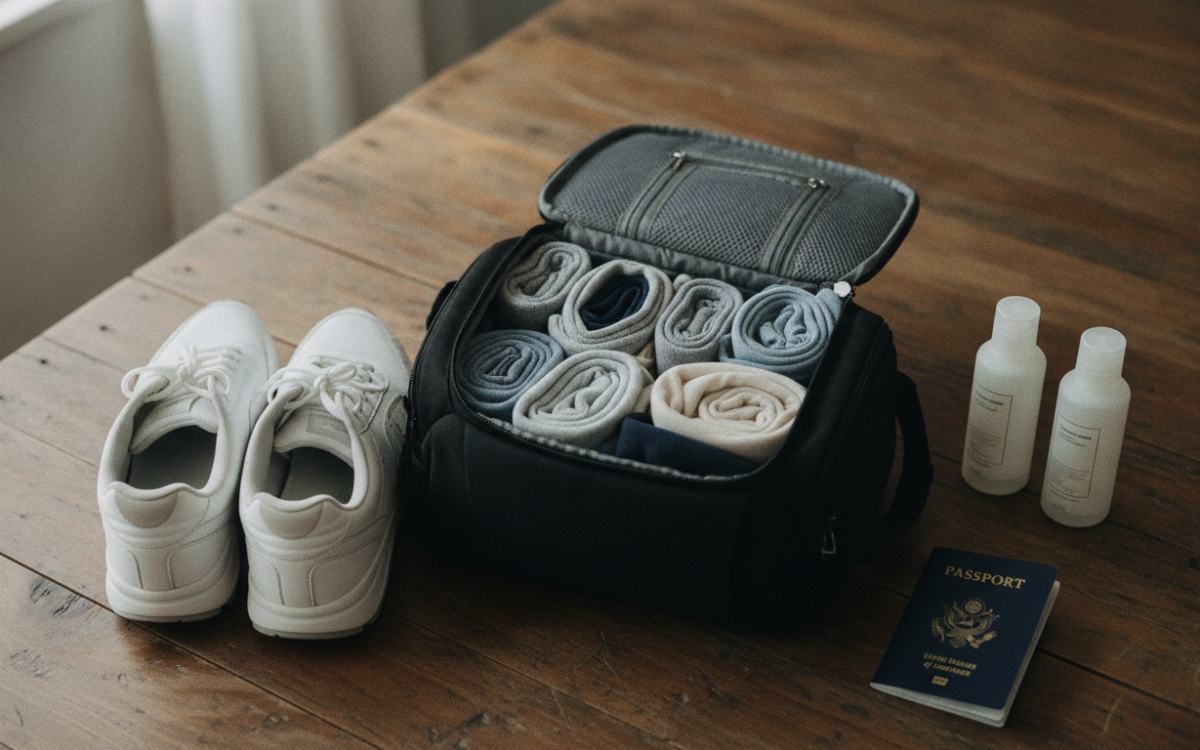
Quick answer: To pack light for any trip, choose a small bag, plan outfits around a few colours, roll your clothes, and limit toiletries to travel sizes. Lay everything out first, then remove a third. Pack only what you will truly wear and use.
Key Takeaways
- Pack light for any trip by choosing a smaller bag so you cannot overpack.
- Stick to two or three colours so every item matches.
- Roll clothes to save space and reduce creases.
- Lay everything out, then remove about a third before you pack.
Heavy bags slow you down. They cost more to check in, they are harder to carry, and they make every trip feel like hard work. The good news is simple. You can pack light for any trip with a few habits that work every time.
This guide keeps things plain. No gadgets you do not need. Just the steps that make a real difference.
Why should you pack light for any trip?
You pack light to save money, time, and energy. A smaller bag means fewer baggage fees and less waiting at the carousel. It also means you move faster through stations and airports.
There is a calm side too. When you carry less, you lose less. You also spend less time deciding what to wear. Most people wear the same favourite items again and again. So the extra clothes just add weight.
If you fly often, check your airline’s bag rules before you book. Size and weight limits change between carriers. The consumer group Which? has useful advice on travel and your rights.
How do you pack light for any trip?
Start by choosing a smaller bag. This is the secret most people miss. A big case begs to be filled. A small one forces good choices. When you want to pack light for any trip, your bag sets the limit for you.
Next, plan your outfits, not your items. Think about what you will actually do each day. Then build looks around two or three colours. When everything matches, you need fewer pieces.
- Pick a base colour like navy, black, or grey.
- Add one or two accent colours.
- Choose shoes you can wear with everything.
- Bring layers instead of one heavy coat.
Lay it all out on the bed. Then be honest. Remove about a third. You will not miss it.
What should you leave at home?
Leave the “just in case” items behind. These are the things that fill your bag but never get used. Think of the spare outfit for an event that might not happen, or the shoes you packed for one maybe.
Also leave full size toiletries. Most places you stay will have basics, or you can buy them when you arrive. Decant your own into small bottles instead. A little goes a long way.
Books are heavy too. One paperback is fine. More than that adds up fast. An e-reader or your phone can hold many books in one light device.
How do you fit everything in a small bag?
Roll your clothes instead of folding them. Rolling saves space and causes fewer creases. Tightly rolled items also stack neatly, so you can see what you have.
Use the gaps. Stuff socks inside shoes. Fill corners with small items. Packing cubes help if you like order, but they are not essential. A few freezer bags do the same job for less.
Wear your bulkiest items on travel day. Put on your heaviest shoes and jacket for the journey. This frees up space and weight in your bag. Simple, but it works.
How many clothes do you really need?
Less than you think. A good rule is to pack for about three to five days, then plan to wash. Even on a long trip, you rarely need a fresh outfit for every single day.
Choose fabrics that dry fast and resist wrinkles. Merino wool and synthetic blends work well. They stay fresh longer and wash easily in a sink. Cotton is comfy but slow to dry and bulky to carry.
When you learn to pack light for any trip, you start to see clothes as a small kit. A few flexible pieces beat a big pile of options.
How do you judge if a packing choice is worth it?
Ask one question for each item. Will I use this more than once? If the answer is no, think hard before it goes in.
Also weigh the cost of carrying against the cost of replacing. Some items are cheap to buy at your destination. So there is no need to haul them with you. Others are hard to find, so they earn their place.
Trade-offs matter. A light bag means fewer choices but more freedom. A heavier bag means more options but more strain. Most travellers find the lighter side wins once they try it.
Make packing light a habit
The first time feels hard. By the third trip, it feels normal. Keep a simple list of what worked and what you never touched. Update it after each journey.
Over time, you will trust yourself to pack light for any trip in minutes. No stress, no panic the night before. Just grab your bag and go.
Ready for your next journey? Compare bag sizes, airline rules, and your own real needs. Then choose with confidence and travel lighter than ever.
Frequently Asked Questions
How light should my bag be for a flight?
Aim to stay under your airline’s carry on limit, which is often around seven to ten kilograms. Check the exact figure before you book, as limits vary. A lighter bag saves fees and lets you skip the check in queue entirely.
Is it better to roll or fold clothes?
Rolling usually wins for packing light. It saves space, reduces deep creases, and lets you see every item at a glance. Folding suits formal shirts you want crisp. For most casual clothes, tight rolls give you more room in a smaller bag.
Can I really pack light for a two week trip?
Yes. Pack for around five days, then plan to wash clothes along the way. Most places offer laundry, or you can rinse items in a sink. Quick dry fabrics make this easy. You rarely need a fresh outfit for every single day.
What are the best fabrics for travelling light?
Choose fabrics that dry fast and resist wrinkles, like merino wool or synthetic blends. They stay fresh longer and wash easily overnight. Avoid heavy cotton and denim, which take up space and dry slowly, making a light bag much harder to manage.
How do I avoid overpacking toiletries?
Decant your products into small reusable bottles rather than packing full sizes. Many stays provide basics like soap and shampoo. Keep liquids within airport limits, usually one hundred millilitres per container in a clear bag. You can always buy more once you arrive.
Do I need packing cubes to pack light?
No, packing cubes are helpful but not essential. They keep things tidy and compress clothes a little. However, simple freezer bags or just careful rolling do a similar job for far less money. The bag size and your choices matter far more than cubes.
For more, see our Travel & Places guides.
Deals, rates and terms change often, and what suits one person may not suit another. Always check the latest details on the provider’s own website, and treat this as general guidance, not personal financial, legal or medical advice.