
Fitness Tracker Comparison: Pick the Right One
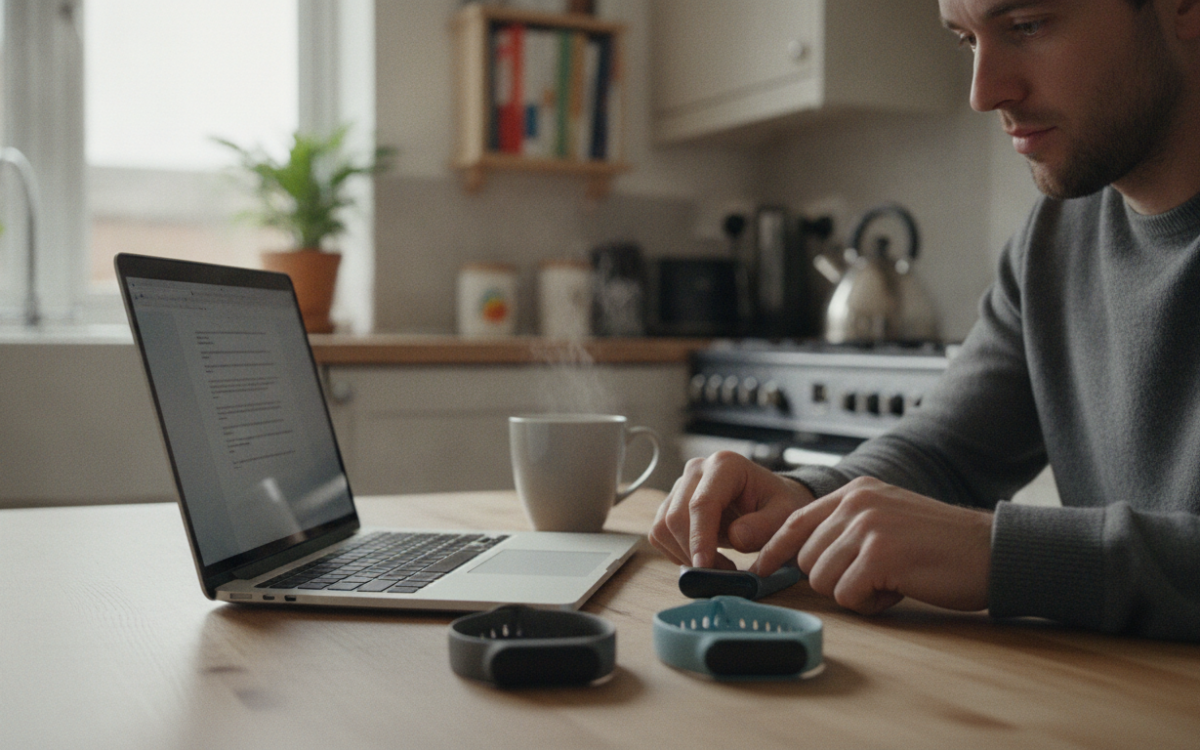
Quick answer: A good fitness tracker comparison looks at accuracy, battery life, comfort, app quality and price. Match these to your goals, like step counting, sleep or heart rate. The best choice fits your lifestyle and budget, not the one with the longest feature list.
Key Takeaways
- Compare accuracy, battery life, comfort and app quality before you buy.
- Match the tracker to your goals, whether that is steps, sleep or workouts.
- More features do not always mean better value for your needs.
- Check how your data is stored and whether any app needs a paid plan.
What is a fitness tracker comparison?
A fitness tracker comparison is a simple way to weigh up different wearable bands side by side. You look at what each one does well. Then you match that to how you live and what you want to track.
Trackers come in many shapes. Some are slim bands. Others look like full smartwatches. They all count activity, but the detail and accuracy vary a lot.
So a fitness tracker comparison helps you cut through the noise. You focus on what matters to you, not on a long list of features you will never use.
What should you compare first?
Start with the basics that affect daily use. These make the biggest difference over time. A clever feature means little if the band is uncomfortable or the battery dies fast.
- Accuracy: How well it tracks steps, heart rate and sleep.
- Battery life: Days between charges, not hours.
- Comfort: Weight, strap feel and how it sits on your wrist.
- App quality: Clear data that is easy to read.
- Price and value: What you pay against what you actually use.
For example, a runner cares about accurate distance and heart rate. A busy parent may just want steps and sleep. Your fitness tracker comparison should reflect that.
How do you judge accuracy?
Accuracy is about how close the readings are to real life. No tracker is perfect, but some are more reliable than others. This matters most for heart rate and sleep data.
Wrist heart rate can drift during hard exercise. If that is a big deal for you, look for models that pair with a chest strap. Step counts are usually solid across most bands.
Sleep tracking is often a rough guide, not a medical reading. Treat it as a pattern to watch, not an exact science. Keep that in mind during any fitness tracker comparison.
Why does battery life matter so much?
Battery life matters because a tracker only helps when you wear it. A band you charge every night often ends up in a drawer. One that lasts many days stays on your wrist.
Simpler bands tend to last longer. Big bright screens and always on displays drain faster. So think about the trade off between a flashy screen and days of use.
Also check how it charges. A magnetic clip is easy. A fiddly cradle is not. Small things like this shape your daily habit.
What about the app and your data?
The app is where you make sense of your numbers. A clear, simple app keeps you motivated. A cluttered one puts you off checking in.
Some apps are free with the band. Others push a paid plan for deeper insights. Read the small print before you buy, because that monthly cost adds up.
Your health data is personal, too. Check how it is stored and shared. For broader guidance on buying wisely, you can read tips from Which? before you decide.
How do you compare value for money?
Value is not the lowest price. It is the right features at a fair cost for you. A cheap band that misses what you need is poor value. A pricey one with unused extras is too.
Here is a sensible way to run your fitness tracker comparison:
- List the two or three features you truly want.
- Rule out bands that miss those core needs.
- Check battery life and comfort for the ones left.
- Compare total cost, including any app subscription.
- Read recent user reviews for real world reliability.
This keeps you focused. You stop paying for things you will not touch. Instead, you buy the band that fits your week.
Common mistakes to avoid
Many people buy on looks alone. A sleek band is nice, but comfort and battery win in the long run. Try to think past the first glance.
Another trap is chasing every feature. Built in maps and payments sound great. If you never use them, they just drain the battery and cost more.
Finally, do not ignore fit. If the strap irritates your skin, you will stop wearing it. A thorough fitness tracker comparison always includes how it feels day to day.
Ready to choose?
Take a moment to list your top goals. Then run them through the points above. A calm, honest fitness tracker comparison beats rushing for the shiniest band.
Compare a few options side by side. Weigh accuracy, battery, comfort, app and price. Then pick with confidence, knowing it suits your life and your budget.
Frequently Asked Questions
Is a fitness tracker worth it?
A fitness tracker can be worth it if you use the data to build better habits. It helps you notice patterns in steps, sleep and heart rate. The value comes from acting on what you see, not just wearing the band every day.
How accurate are fitness trackers?
Step counts are usually quite reliable. Heart rate is fairly good at rest but can drift during hard exercise. Sleep tracking is a rough guide, not a medical reading. Treat the numbers as useful patterns rather than exact figures for your health.
Do I need a fitness tracker or a smartwatch?
It depends on your goals. A simple fitness band focuses on activity and tends to last longer on a charge. A smartwatch adds apps, calls and payments but needs charging more often. Pick based on the features you will actually use.
How long should a fitness tracker battery last?
It varies widely. Simple bands can last many days between charges, while screen heavy models may need charging every day or two. Longer battery life usually means you wear the band more often, which helps you track habits more consistently over time.
Are cheap fitness trackers any good?
Some budget trackers handle steps and basic sleep well. They may be less accurate for heart rate and have simpler apps. Run a quick fitness tracker comparison on your core needs. A cheaper band can offer great value if it covers what matters to you.
Do fitness tracker apps cost extra?
Many apps are free with the band for basic tracking. Some lock deeper insights behind a paid plan. Always check before you buy, because a monthly subscription adds to the true cost. Factor this into your comparison so there are no surprises later.
For more, see our Health & Wellbeing guides.
Deals, rates and terms change often, and what suits one person may not suit another. Always check the latest details on the provider’s own website, and treat this as general guidance, not personal financial, legal or medical advice.